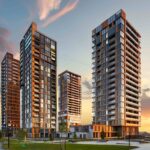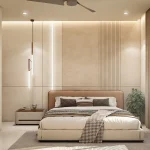

As retirement planning evolves, many senior citizens and Non-Resident Indians (NRIs) are now looking for areas, most specifically infrastructures that are better when it comes to the notion of long-term living. While traditional premium apartments often focus on luxurious amenities and investment potential, senior wellness communities are specifically engineered to address the practical realities of aging.
The distinction can go far beyond the demographics of the state. It can include architectural design, healthcare accessibility, daily operational support, emergency response systems, and the overall ability to age safely in place. For retirees returning to Kerala or seniors seeking a lifestyle that is free from maintenance in Kochi, understanding these differences is crucialbefore making a long-term housing decision.
What Defines a Senior Wellness Apartment vs. Standard Multi-Family Housing?
Traditional joint family living space often focus on using space to fullest more than any range of amenities. Features such as swimming pools, fitness centers, landscaped gardens, and clubhouses are intended to serve a broad demographic ranging from young professionals to families.
Senior wellness apartments, by contrast, are often revolved and based on purpose. It often circles around principles of accessibility, safety, healthcare readiness, and operational support. Every element of the development is meticulously crafted to bring in changing physical abilities while preserving independence.
A traditional apartment often manage daily tasks, emergency situations, housekeeping, meal preparation, and healthcare coordination in its own. Senior wellness communities acknowledge that these requirements may become quite difficult and challenging over time and therefore integrate support systems often directly into the residential environment.
The result is a housing model that focuses less on recreational amenities and more on longterm liveability. This distinction becomes increasingly important as residents enter their seventies and eighties, when mobility limitations and healthcare need often become more prominent.
Civil and Structural Engineering Specifications for AgeIn-Place Safety
One of the most significant differences between traditional apartments and senior wellness communities lies in their base and architectural specifications. Most premium residential developments give importance to aesthetics and space utilization. While these properties may have a rapport with standard building codes, they may not necessarily optimized for senior mobility or emergency accessibility.Senior wellness communities however, can include features that can reduce accidents and support aging in place.
Flooring Systems
Improper flooring systems can be a hazard as falling is one of the key challenges that elderly can face with the lack of body coordination. Consequently, flooring materials are selected with safety as the primary criterion.
Senior-focused residences would often utilize anti-skid matte finish vitrified tiles with enhanced surface grip. These materials can give traction even in humid conditions, reducing slip risks in living rooms, kitchens, and the crucial and other wise slippery areas like bathrooms.
One can often find polished marble tiling when it comes to traditional premium apartments. Though they please the eye, they can often turn out to be a hazard to the elderly.
Bathroom Safety Engineering
Bathrooms represent one of the highest-risk areas within any residence.
Senior wellness apartments commonly feature:
- Dual-access outward opening bathroom doors
- Anti-skid flooring
- Grab bars near toilets and showers
- Walk-in shower systems
- Raised toilet seating
- Emergency assistance pull cords
- Wheelchair turning radiuses
he inclusion of doors that open outwardly is particularly important. In the event of a fall, emergency responders can easily access the bathroom without distrubing the collapsed occupant.
Wall-Mounted Emergency Systems
Modern senior living developments has often used all panic buttons located throughout the residence.
These emergency systems are strategically installed in:
- Bedrooms
- Living rooms
- Bathrooms
- Corridors
When activated, alerts are transmitted directly to on-site nursing stations or emergency response teams, significantly reducing response times.
Traditional apartments typically depend on mobile phones, external emergency services, or assistance from neighbors.
Corridor and Elevator Design
Accessibility can go beyond the apartment itself.
Senior wellness communities often provide:
- Wider corridors for wheelchair navigation
- Handrails along common pathways
- Zero-threshold entrances
- Backup-powered elevators
- Emergency communication systems within elevators
- Enhanced lighting for visibility
These design features improve mobility while reducing accident risks in common areas.
The Proximity Index to Kochi’s Healthcare Corridors
Healthcare accessibility is one of the most crucial factors that affect retirement housing decisions. Kochi has risen as one of South India’s top healthcare destinations, giving globally accredited hospitals, better specialty care, and comprehensive emergency services. For retirees, closeness and easy access to major healthcare institutions can have a direct impact on treatment outcomes and peace of mind.
Aster Medcity – Cheranalloor Corridor
Located in Cheranalloor, Aster Medcity is one of Kerala’s largest tertiary-care hospitals.
For residents living in northern and eastern Kochi regions, travel times generally range between 15 and 35 minutes depending on traffic conditions.
The facility offers:
- Emergency medicine
- Cardiology
- Neurology
- Oncology
- Orthopedics
- Geriatric care
This makes it particularly relevant for retirees requiring regular specialist consultations.
Amrita Hospital – Edappally Healthcare Zone
Amrita Hospital – Edappally Healthcare Zone Amrita Hospital serves as one of Nation’s premier multi-specialty medical institutions.
Its strategic location in Edappally provides easy access to:
- Advanced cardiac care
- Organ transplantation services
- Neurosciences
- Cancer treatment
- Rehabilitation programs
Residents that stay within central Kochi often reach the hospital within 20 to 30 minutes even under normal traffic conditions.
VPS Lakeshore Hospital – Nettoor Medical Corridor
Situated in Nettoor, VPS Lakeshore Hospital gives extensive medical and surgical services, including critical care and rehabilitation support. Its southern Kochi location makes it particularly accessible for retirees staying in areas near Nettoor, Maradu, and surrounding neighborhoods. Typical travel times vary between 10 and 30 minutes depending on the residential location.
Why Healthcare Proximity Matters
Healthcare accessibility should not be evaluated solely by distance. Important factors to consider can include:
- Average emergency travel time
- Availability of ambulance services
- Traffic patterns
- Specialist consultation access
- Post-operative rehabilitation support
Senior wellness communities often include transportation coordination and healthcare partnerships that simplify hospital visits and follow-up care
Operational Comparison: Traditional Apartments vs.Senior Wellness Communities
The long-term sustainability of retirement living depends not only on housing design but also on operational support.
Long-Term Cost Considerations
Many buyers often compare only the purchase price of a residence at the start. However, retirement housing decisions should also account for lifetime operational expenses. In traditional apartments, additional costs may include:
- Domestic staff pays
- Caregiver salaries
- Transportation services
- Emergency support systems
- Home modifications for easy access
- Maintenance supervision
As residents age, these costs often increase significantly. Senior wellness communities often include many of these services into a structured skeltal framework. While monthly service fees may at start feel high, they can bring down the need for multiple independent service providers
For NRIs managing housing for aging parents from abroad, centralized support systems can also lessen logistical challenges and provide greater peace of mind.
Which Option Is Right for Retirees and NRIs?
The solution to this option can vary based on various priorities which include health considerations, and long-term planning objectives.
A Traditional idea of premium apartments may be good for:
- Soon to be retired members with minimal healthcare requirements
- Buyers that often focus on future returns
- Residents that prefer managing household operations on their own
Senior wellness communities can be preferred when:
- Individuals seeking areas that are age-friendly
- Seniors that look forward to areas that are easily accessible
- NRIs that support elderly parents in India
- Residents prefer less responsibilities when it comes to infrastructure
- Couples planning for long-term independent living
Conclusion
The faint line between senior wellness communities and traditional apartments goes more than amenities. It reflects two fundamentally different approaches to residential living. Traditional apartments prioritize lifestyle features and broad market appeal, while senior wellness communities are engineered around safety, healthcare access, operational support, and aging-in-place functionality. For retirees and NRIs evaluating housing options in Kochi, factors such as quick response systems, accessibility engineering, easy accessibility to healthcare corridors, and long-term operational support may ultimately prove more valuable than conventional luxury amenities.
As life expectancy increases and retirement planning becomes more sophisticated, purpose-built senior wellness housing is emerging as a practical solution for individuals seeking both independence and security throughout their later years.
FAQs
Frequently asked questions about senior wellness apartments and retirement living communities.
How are senior wellness apartments different from traditional apartments?
They are designed for more than just luxury amenities. They provide safer and more comfortable aging through accessibility features, healthcare support, and emergency response systems.
Why is healthcare proximity important for seniors?
Quick access to hospitals and specialists can improve treatment outcomes and provide greater peace of mind for both seniors and their families.
Are senior wellness communities cost-effective in the long run?
Yes. In most cases, support services are integrated into the community, reducing the need for separate caregivers, maintenance expenses, and emergency arrangements.